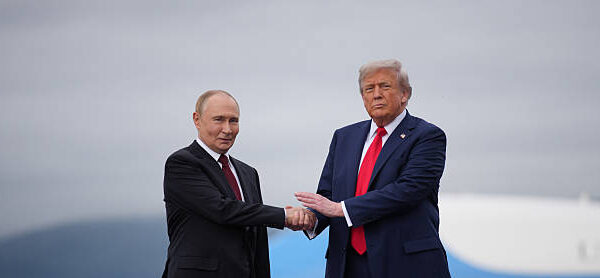

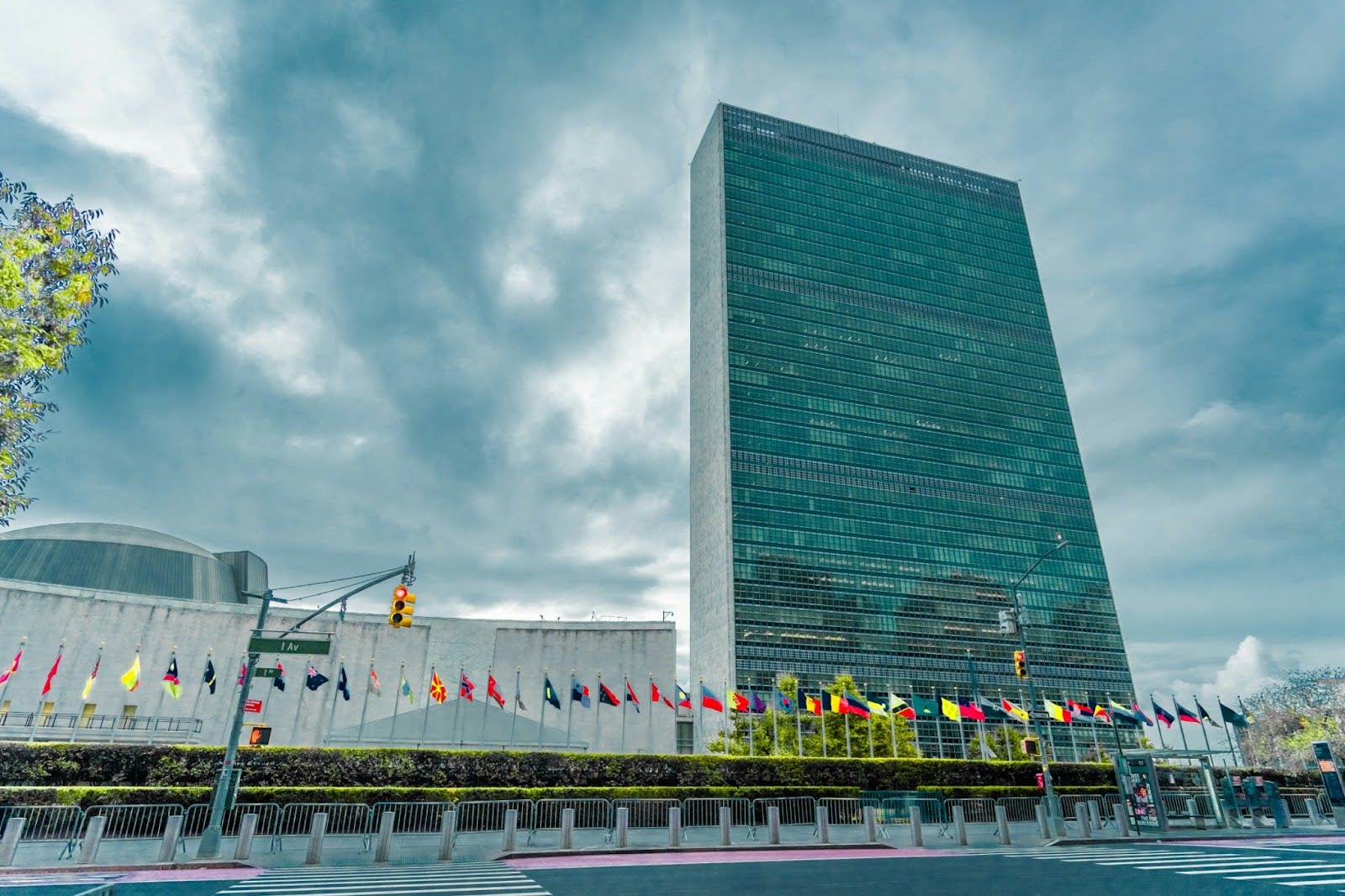
Celebrations marking the start of the new year in global diplomacy quickly gave way to a period of turbulence driven not by traditional spoilers of the international order, but by actors long assumed to be its stewards. In its second year of the Trump presidency, the United States has carried out a strike on the Venezuelan capital and forcibly removed its president, revived demands for the cession of Greenland accompanied by implicit threats of military coercion, and advanced what can only be understood as a deliberate sidelining of the United Nations through the creation of the “Board of Peace” to oversee Gaza’s reconstruction.
This follows a cascading series of actions by Washington that have cumulatively resulted in what can be assessed as a general retreat by the United States from the network of institutions that it has led for much of the 20th and 21st centuries. This shift isn’t new; instead, it has accelerated a trajectory of decline within the rules-based international order — a system never wholly universal nor equally applied, but which afforded a sense of order to international diplomacy — the consequences of which are only beginning to become apparent.
The rules-based order refers to a constellation of norms, treaties, and institutions, ranging from trade regimes and defence alliances to international law, that emerged in the aftermath of the devastation of the Second World War under U.S. leadership. This scheme was developed to stabilize interstate relations by means of structured interaction rather than sheer military might. Scholars of the liberal international order, such as G. John Ikenberry, credit the postwar order’s institutional architecture with supporting extended stability in the late 20th and early 21st centuries. This system appeared to reach its apex with the collapse of the Soviet bloc, inspiring declarations of the liberal order’s permanent victory.
Claims of the demise of power politics appear premature. While the 2010s saw the gradual retreat of rules-based order, the main driver of this acceleration can largely be attributed to the shift in norms in Washington over the past decade, influenced by the first and second presidencies of Donald Trump. Under his leadership, the United States has withdrawn from several international agreements, including the Iran Nuclear Deal (JCPOA), the Paris Agreement, and has recently begun a comprehensive review of all conventions and treaties, with the stated goal of withdrawing from any that conflict with the “national interest.” It has hobbled key international institutions, such as the WTO’s Appellate Body, curtailing the efficacy of dispute-resolution mechanisms key to rules-based order. This all indicates a trend away from enforcing global norms and toward selective engagement based on preferences.
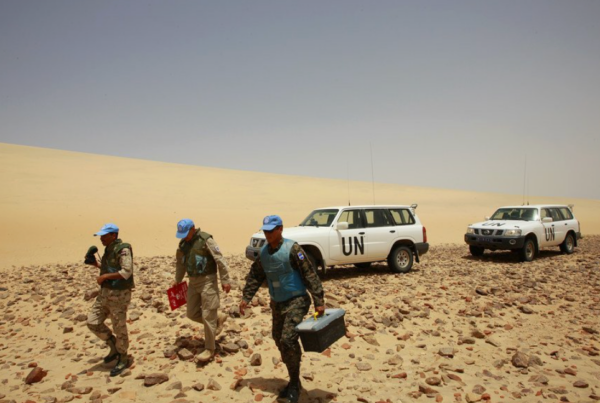
Such trends are sure to have significant impacts on international diplomacy moving forward. Analysts of U.S. multilateral withdrawal argue that retreat from guarantor roles and multilateral commitments can weaken institutional credibility and enforcement capacity, owing to the interlaced nature of U.S. foreign policy with the existing liberal international system. In the absence of a guaranteeing force, commentary on the fluid state of current international affairs frequently portrays China as seeking to fill leadership vacuums as Washington retreats, while Russia simultaneously poses an illiberal challenge to the existing order, each advancing its preferred mechanism for international stability.
While it is challenging to determine the long-term consequences of this change, a few plausible directions have been argued to be within the domain of possibility. Defenders of the rules-based order have frequently argued that the order will, in a manner they say has happened continuously throughout modern history, adapt and continue without U.S. dominance, with alternate actors, such as the EU, stepping in to fill the guarantor role, pointing to climate action and other areas of global cooperation in which other powers have intervened. Others, as mentioned above, have projected the fragmentation of the global order into multiple regional orders with distinct competition norms. Less optimistic views have pointed to a return to the power-based politics of the early 20th century, citing examples such as the Russian invasion of Ukraine. What is clear, however, is that the status quo will not last, though what comes next remains to be seen.
For all the global responses to headline-grabbing actions by the United States, it remains true that U.S. actions represent a pivot point, or even an inflection point, but certainly not a sign of a definitive end or the sustainability of the rules-based order. Many have said that the current moment in international politics offers new possibilities for new schools of thought or new powers to shift the paradigm of diplomacy in their preferred direction. The question, then, is of whom or what course of action the world will take.
Cover Image: Nils Huenerfuerst on Unsplash
Other posts that may interest you:
Discover more from The Sundial Press
Subscribe to get the latest posts sent to your email.