
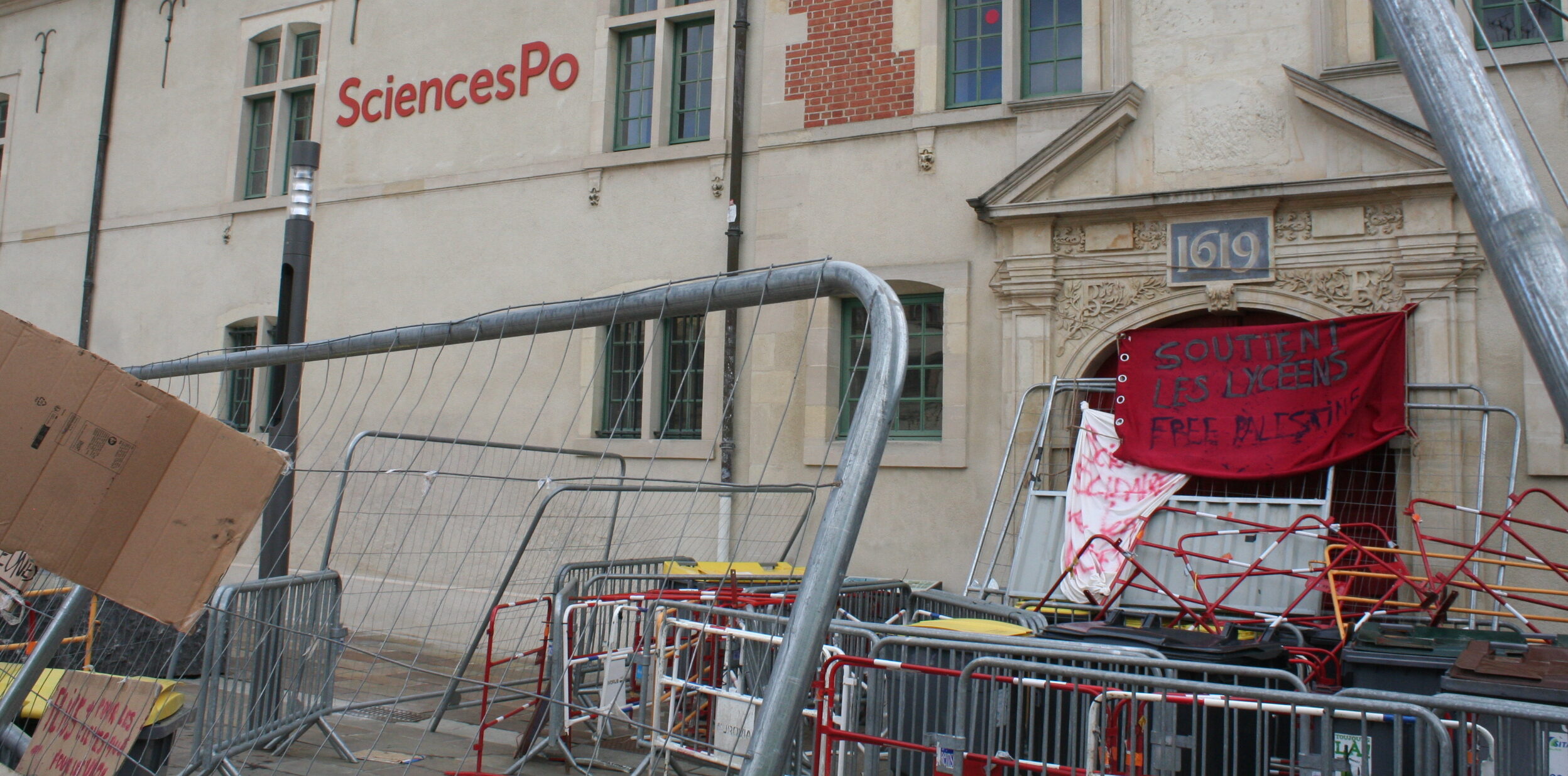
Following a blockade on Sciences Po’s Paris campus the day before, the student movement that has taken France by storm arrived on the doorstep of the Reims campus on Thursday. In response to a nationwide call for solidarity with student protestors, the campus’ entrances were blocked with metal barriers and trash bins adorned with signs in support of the high school students who started the movement in late September. The structure also featured signs with messages denouncing the French government and calls to free Palestine. The blockade started at 6:20 a.m., according to campus director Pierre Catalan, who announced the suspension of in-person classes in favor of online ones in an e-mail at 7:02 a.m.
By 8:20 a.m., a group of about 40 Sciences Po students had assembled road barricades and garbage bins and cut off access to the campus’s main entrance on Place Museux. Entry remained possible for those going to the health center or meeting with the campus director.
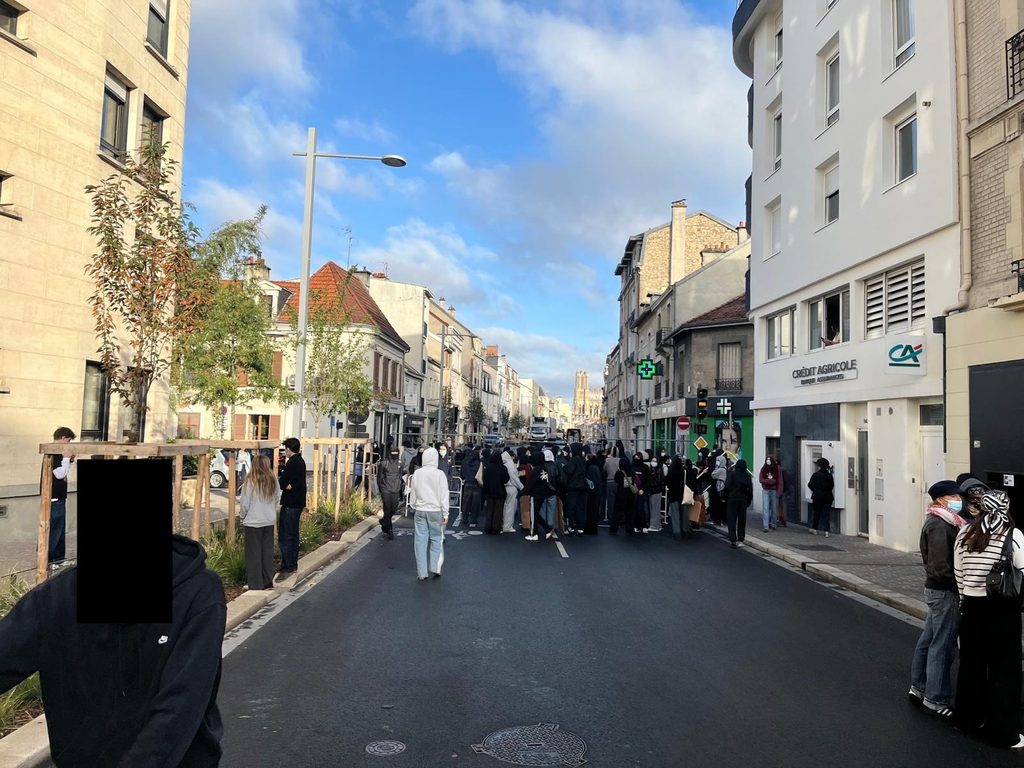
At 9:30 a.m., the majority of protesters, carrying barriers with them, began leaving the campus gate in the direction of Rue Gambetta in order to expand the blockade. By 10:15, only barricades remained in front of the campus, the bulk of students having taken positions at the intersection of Rue Gambetta and Venise, as done during demonstrations on Tuesday. Unlike Tuesday, there was no police response on Gambetta.
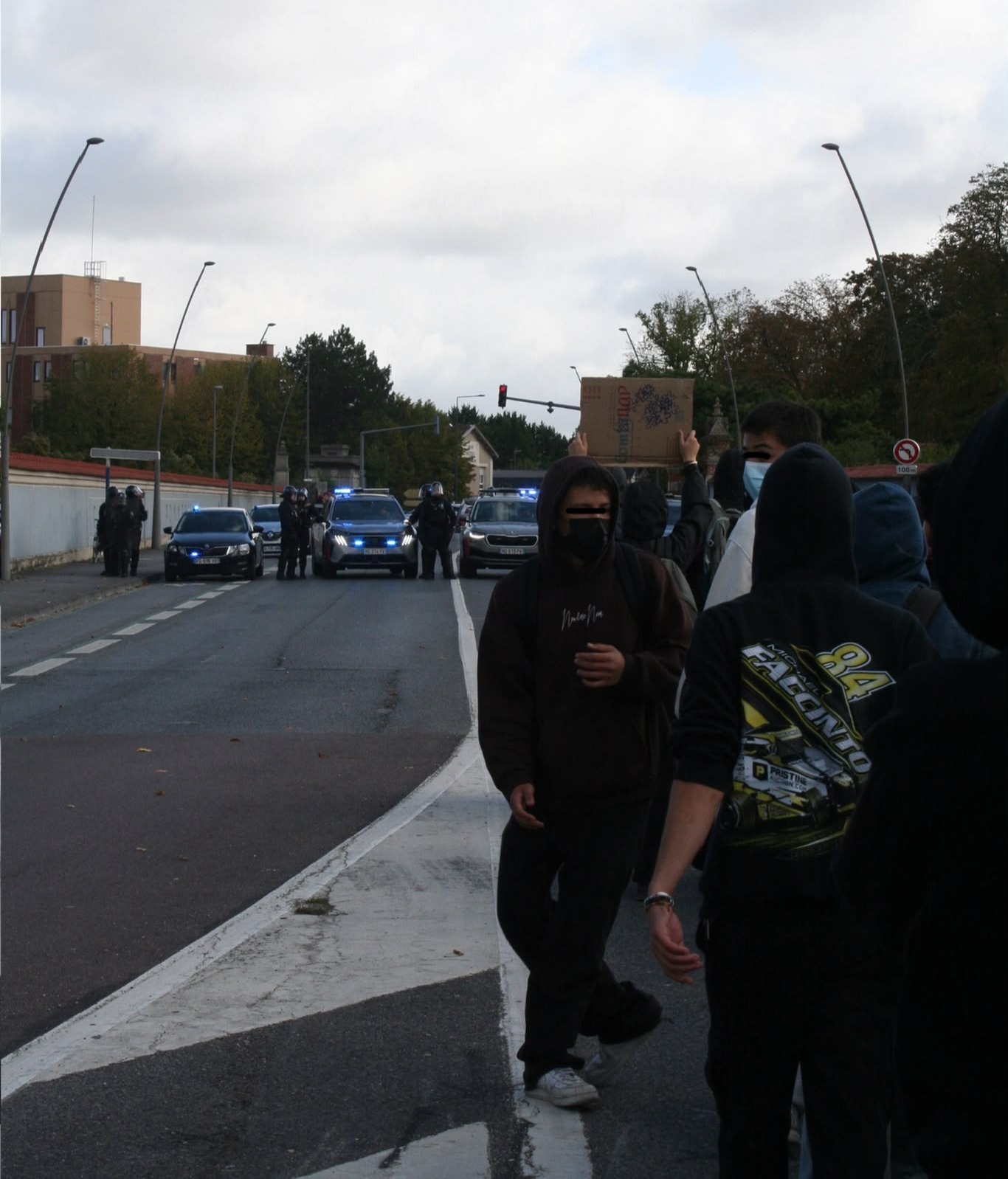
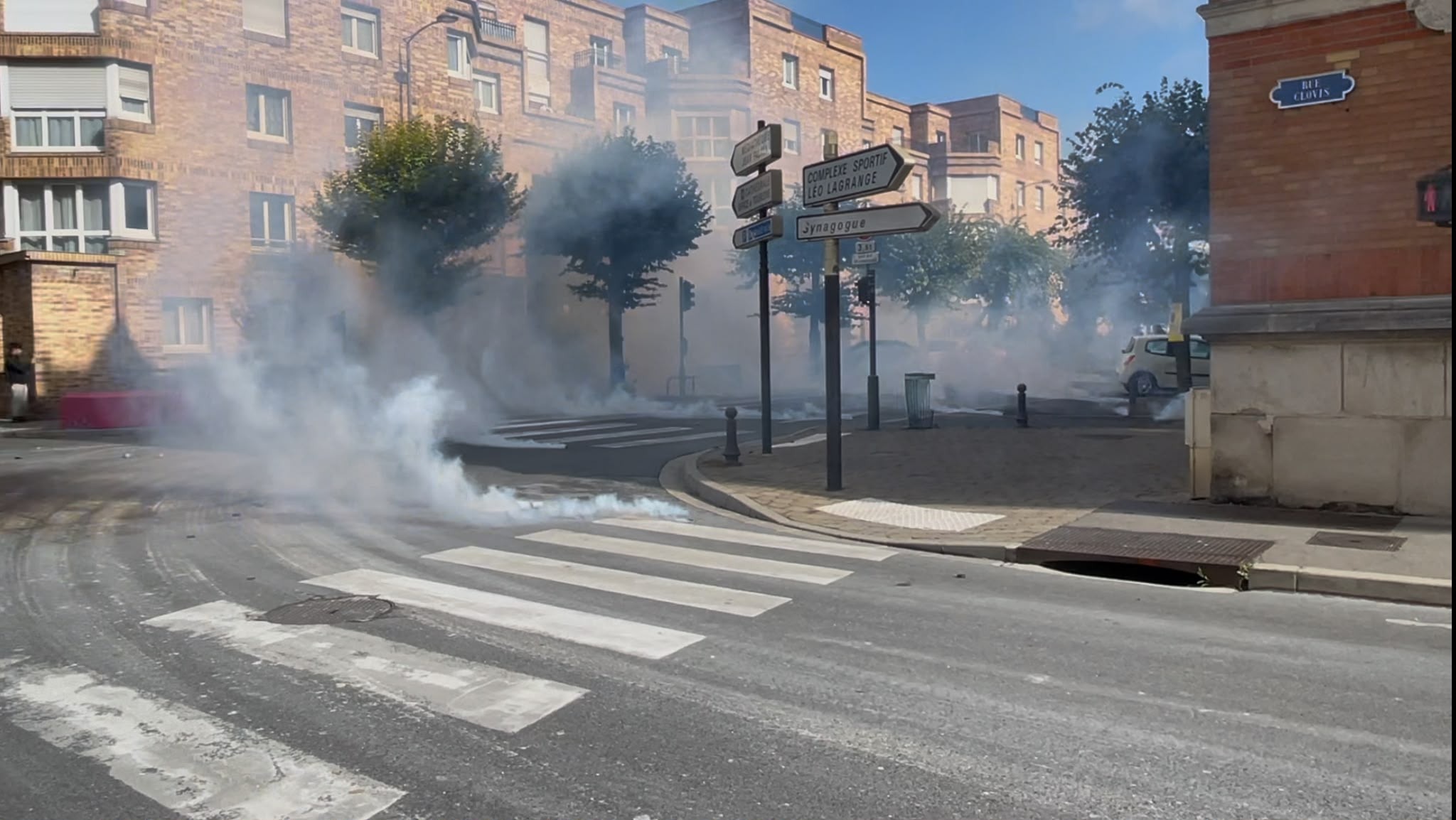
At about 10:30, the students split into two, with a larger group heading towards Parc de Champagne with the aim of seeing the Minister of National Education, who was in Reims meeting with students from lycée professionnel Raymond-Kopa that morning. A smaller group went to support the students of Lycée Libergier. The former were stopped by riot police on Général Giraud Avenue and turned back towards Sciences Po. They were not dispersed by force. The smaller group, which had joined other protesters on Rue Libergier, was met with a heavy police response. LBDs (lanceurs de balles de défense) shooting rubber bullets and tear gas grenades were used by police against the protesters. Consequently, most of the Sciences Po contingent there retreated towards the university.
By around 1 p.m., most students from the original blockade had made their way back to Sciences Po. Having been joined on the way by other university students and some high schoolers, they reconstructed the barricades which had been removed by campus staff in their absence. By 5:30 p.m., the blockade had ended, and all barricades had been removed by municipal workers.
Though the campus remained closed off for over 11 hours barring one brief interruption, the demonstrations in front of Sciences Po remained peaceful throughout and did not encounter any police intervention. Mr. Catalan, for his part, expressed frustration about the lack of communication from student organizers, and described the rebuilding of the blockade in the afternoon as “abrasive,” but made clear that since the students’ actions were not on the campus, he saw “no legitimacy in asking anything to law enforcement, unless there is a direct threat to personal safety or public order.” As of this article’s publication, there is no indication that the administration will be pursuing disciplinary action against the students involved.
The motivation behind the blockade, according to one Sciences Po student who wished to remain anonymous, is “solidarity with students, youth, victims of police violence, workers, and everyone in general who is fed up with structural inequality.” Images of tense encounters between protestors and French law enforcement have reverberated around the world as young people protest school conditions (including teacher shortages and inadequate infrastructure) and funding cuts across many sectors. The day before the blockade of the Reims campus, the Inter-Sciences Po Mobilization Committee (Comité de Mobilisation Inter-Sciences Po) issued a statement with a list of demands including massive increases in funding for public education, the replacement of the Interior Minister, reform of university admissions platforms (Parcoursup, Monmaster), more funding for the CROUS, more attention to student mental health, and an end to the use of what they qualify as repressive force against protestors. The French government has responded to the demonstrations with some concessions, but failed talks between student unions and France’s education minister indicate that the tension is not likely to subside soon.
In an e-mail to students on Thursday evening, Mr. Catalan stated that “while the reasons behind the campus blockade may be understandable, it is unacceptable for over 1,400 students to be prevented from studying and accessing the services to which they are entitled.” The student protester with whom we spoke saw it differently: “While we sit in our privately funded classrooms at an elite university supposedly breeding the next generation of active politicians, I find it necessary to mobilize our privilege to support the high schoolers. The youth are leading this fight, and I hope everyone will carry their momentum into future protests and elections.”
More photos from the demonstration:
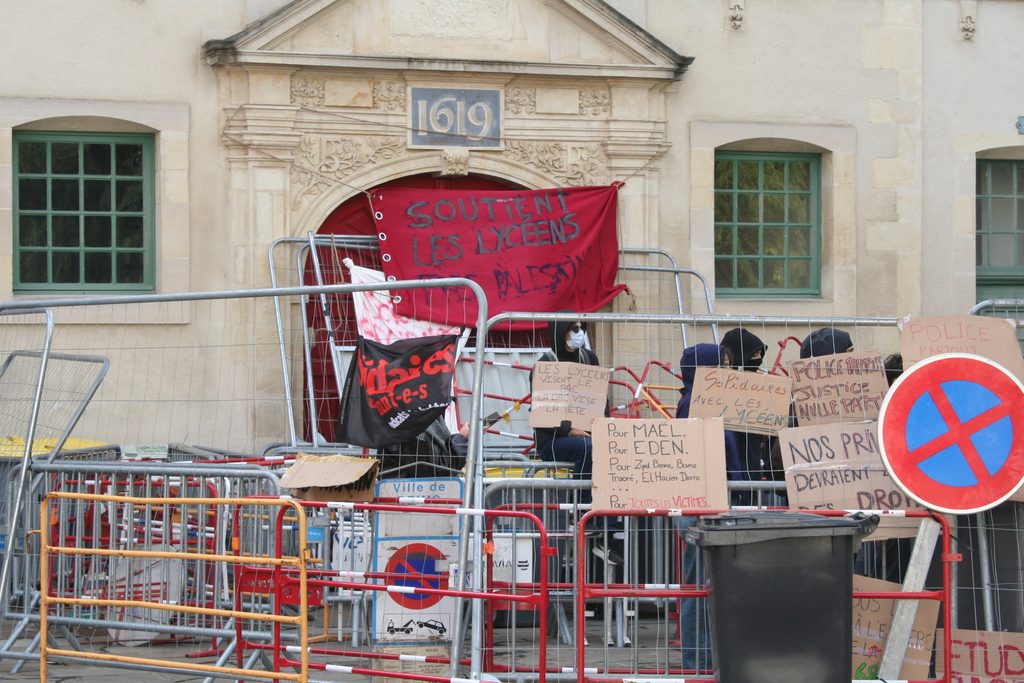
Blockaded Entrance – by Emma Weibel 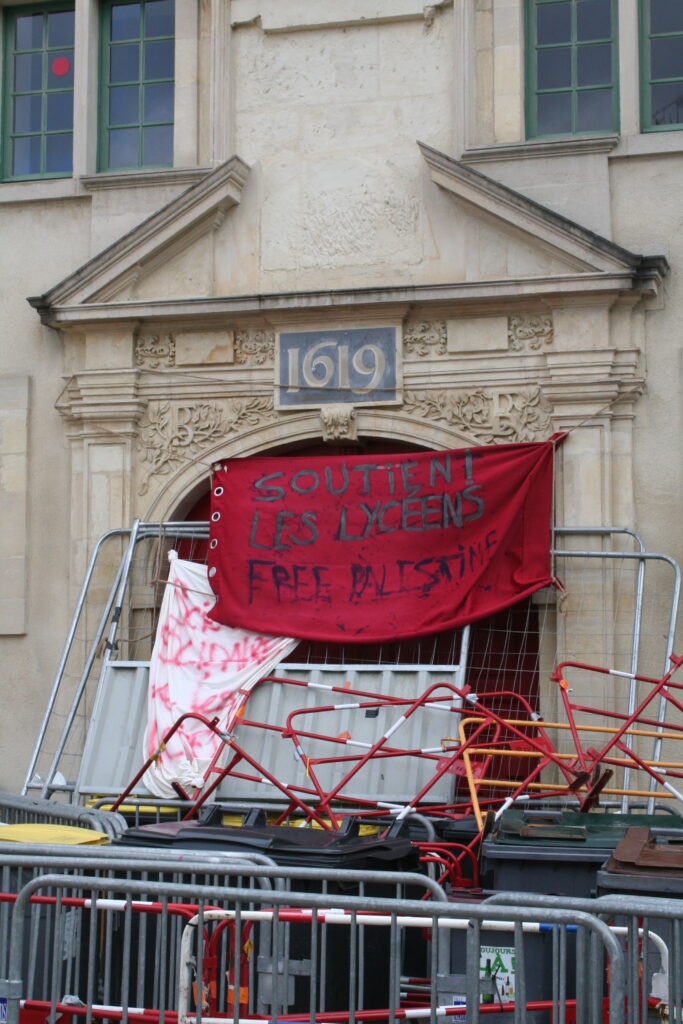
Blockaded Entrance – by Emma Weibel 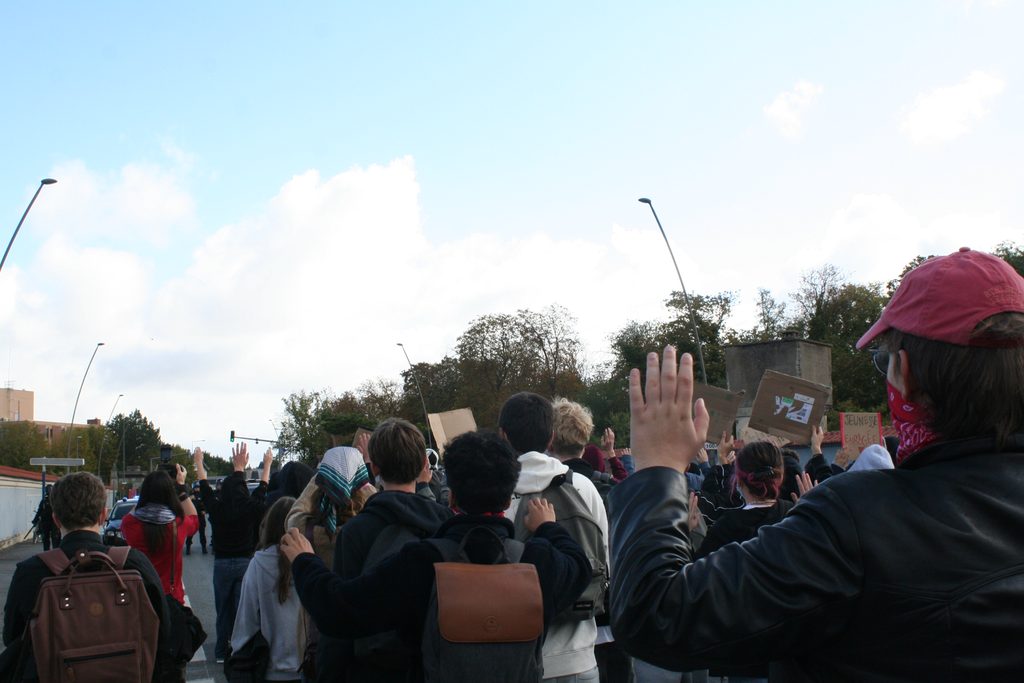
Students Approaching Police Line – by Emma Weibel 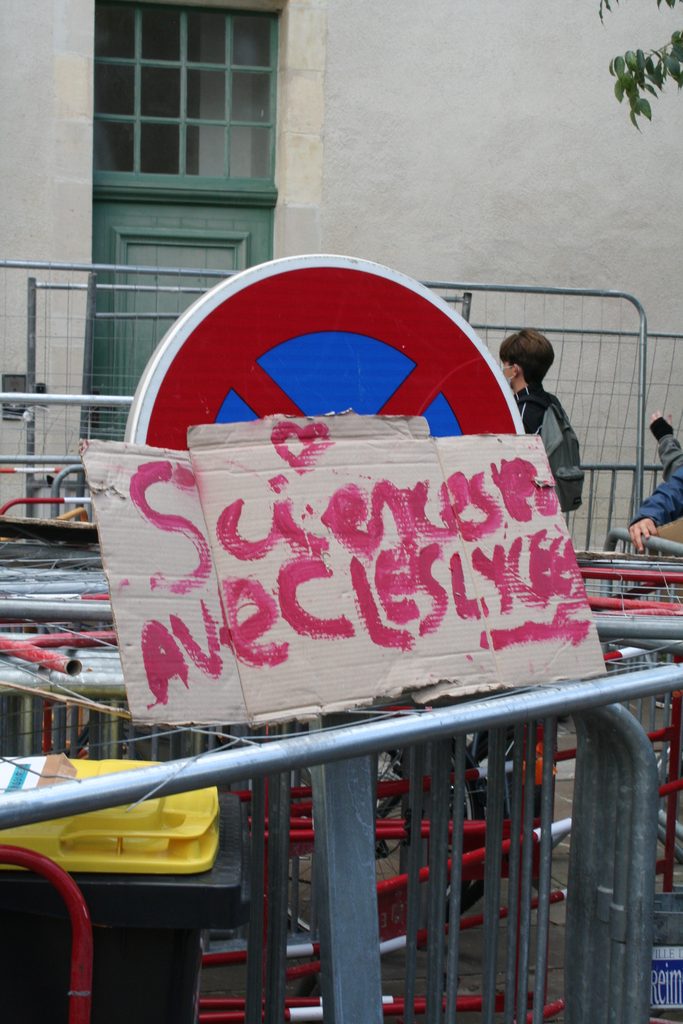
Sign of Support – by Emma Weibel 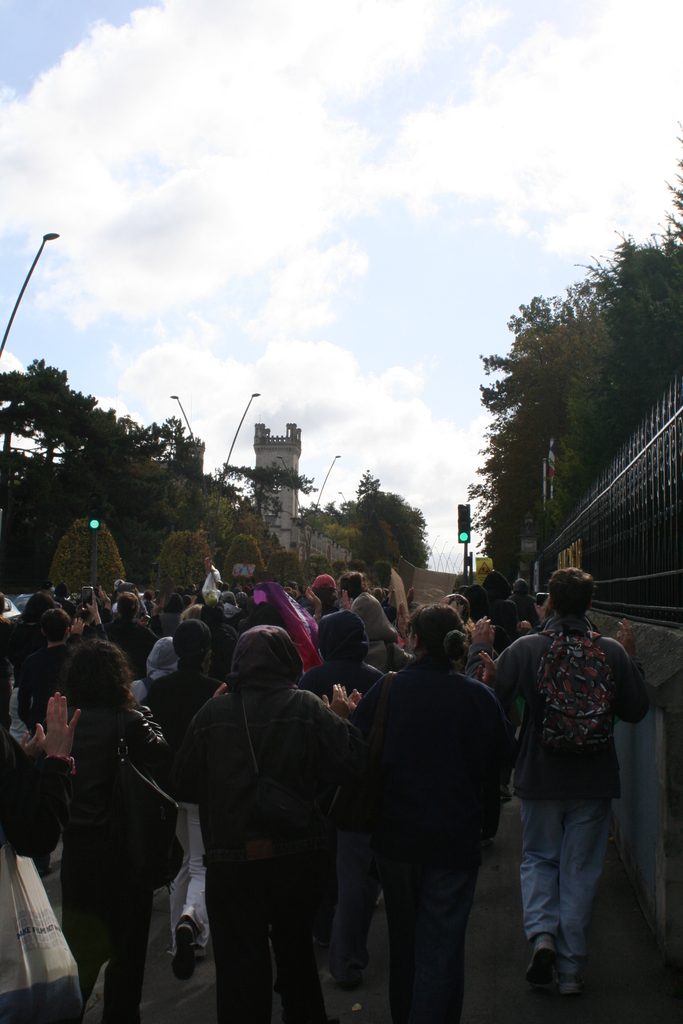
Demonstration – by Emma Weibel 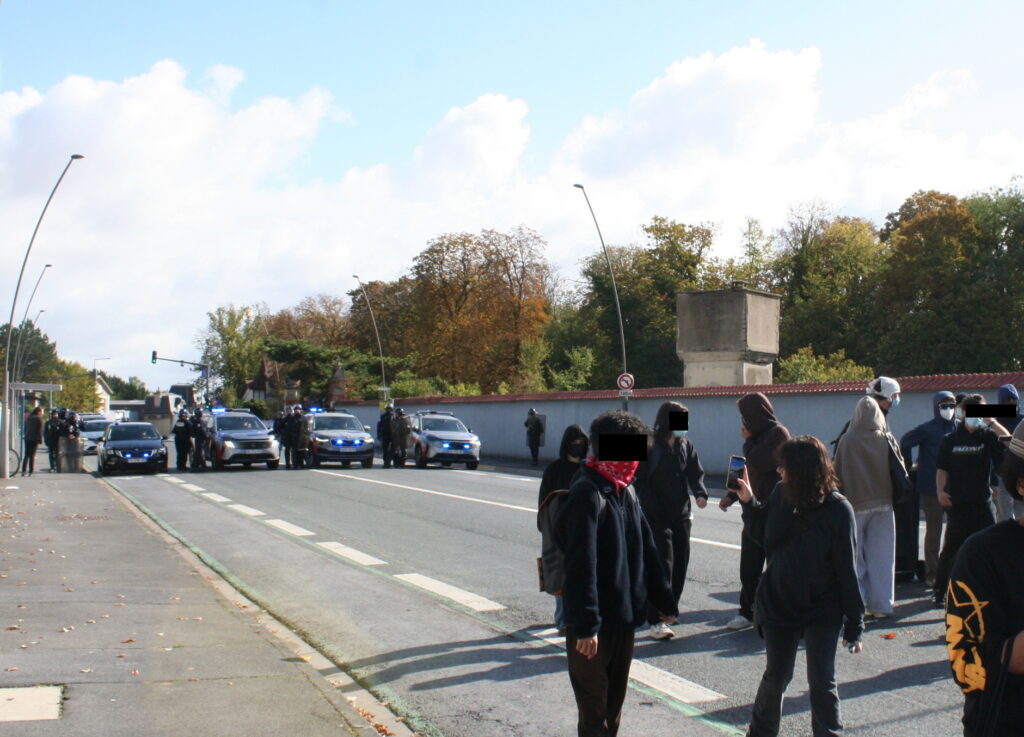
Police Line – by Emma Weibel 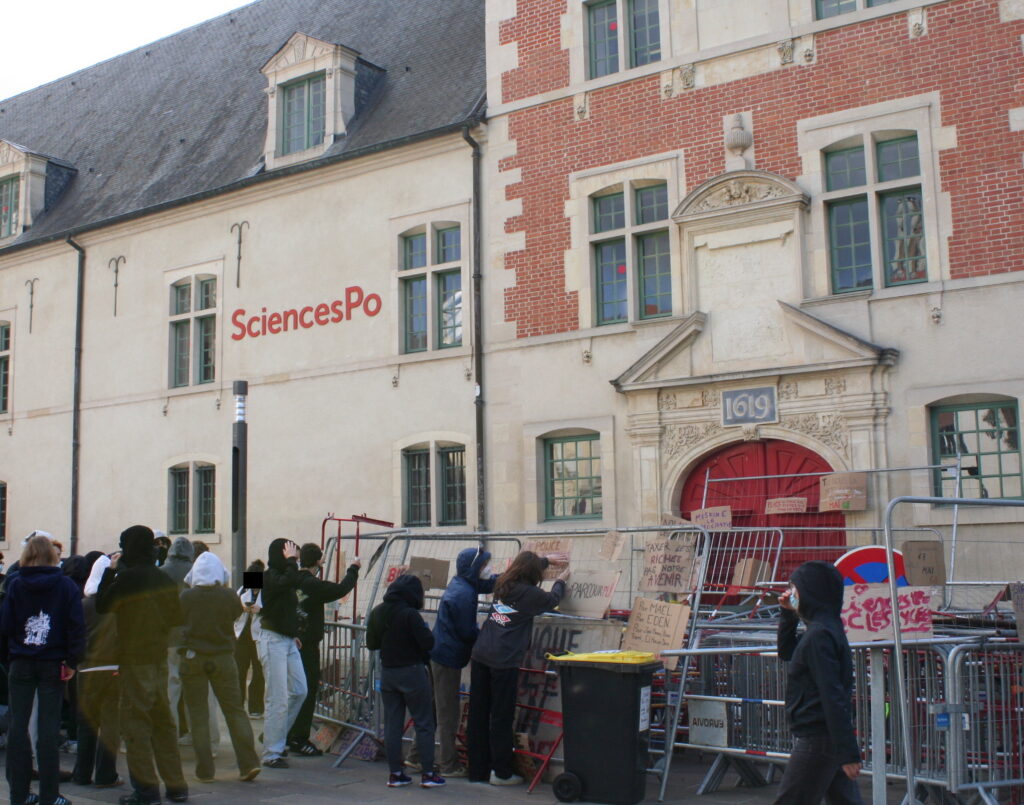
Rebuilding of the Blockade – by Emma Weibel 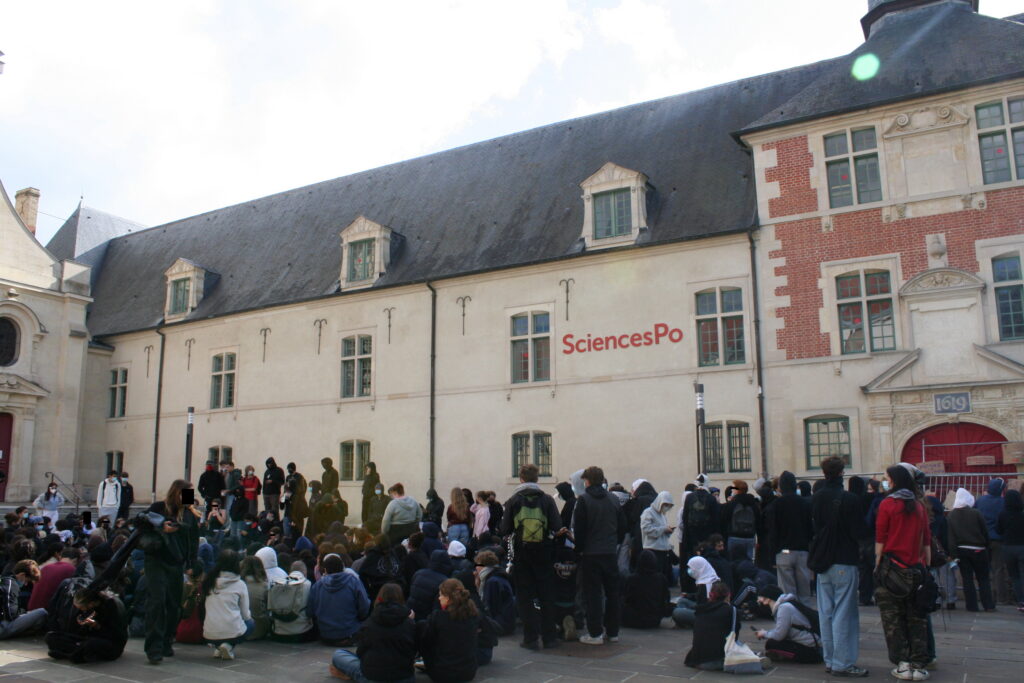
Gathering Outside of Campus – by Emma Weibel 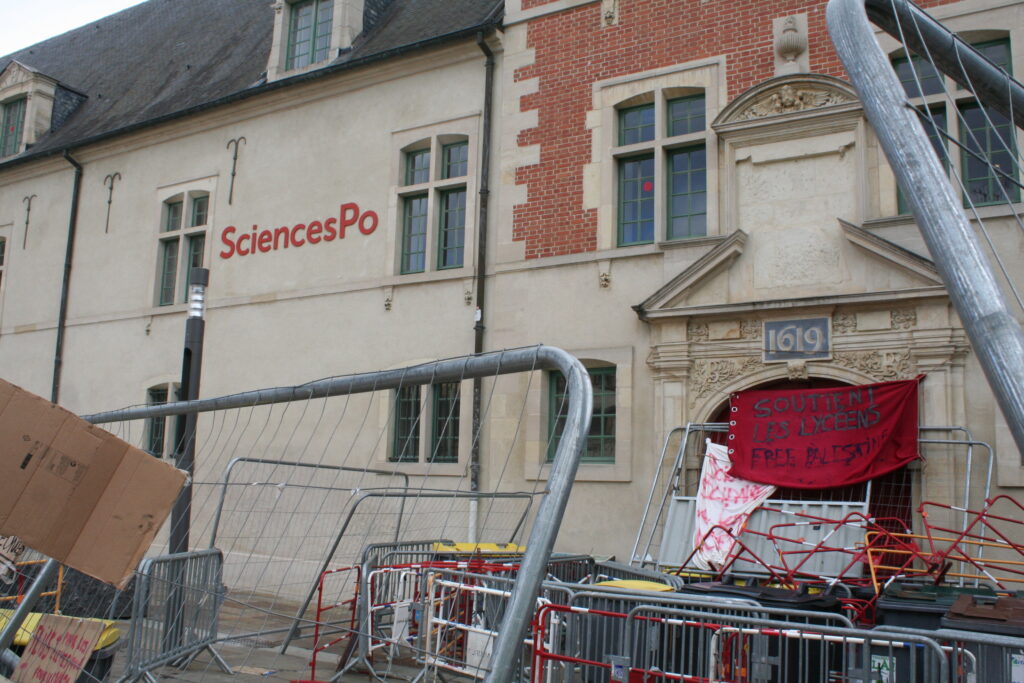
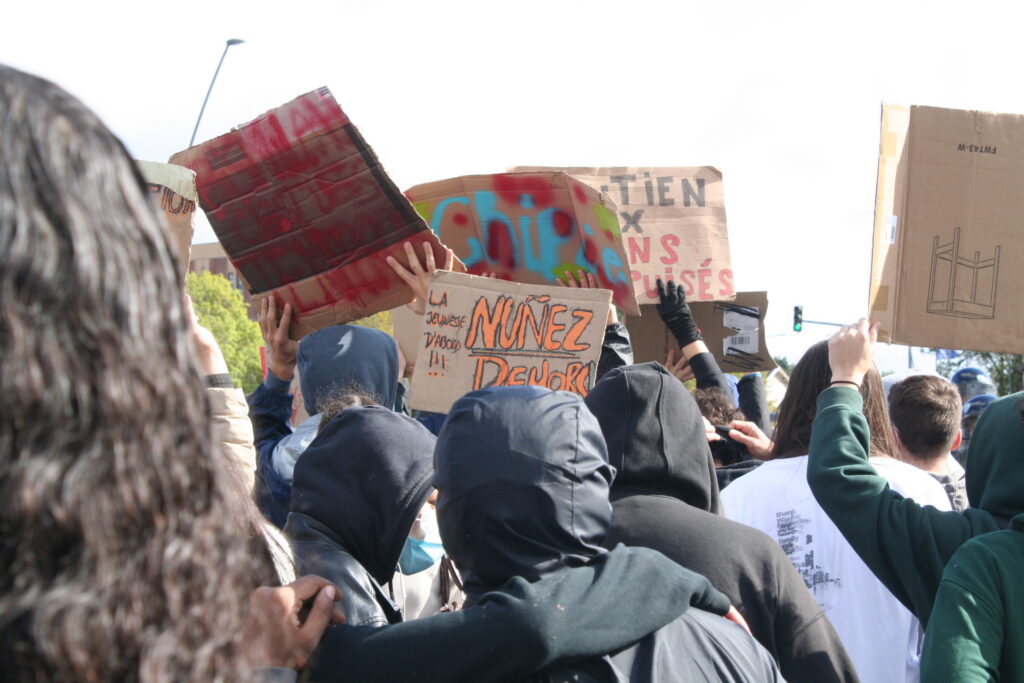
Protestors Hold Up Signs – by Emma Weibel
Cover Photo: Emma Weibel
Other posts that may interest you:
Discover more from The Sundial Press
Subscribe to get the latest posts sent to your email.