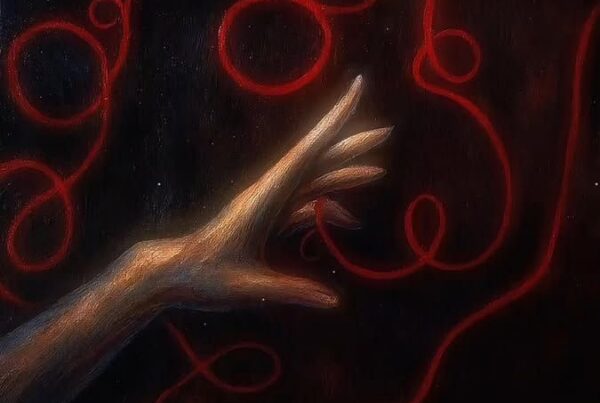

yi ku se tian: remembering the past to grace the present; to “recall bitterness” and to “reflect on sweetness.” A social practice born for people to recollect how “bitter” life was in jiu shehui (the old society) and how “sweet” life was in xin shehui (the new society). For one to taste ancestry as it dissolves on the tongue, to allow stories to run rough against the roof of the mouth, for the astringent flavor of memories unlived bored into flesh.
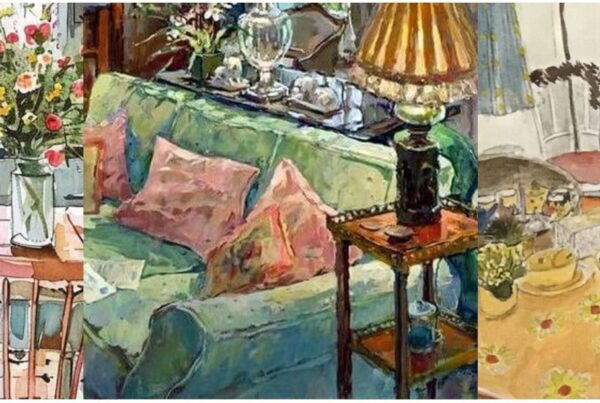
Amongst townhouses nestled in a gated Shanghai community once rife with prosperity, now stained and aged, House 10 is hers. A metal door painted emerald green is chalked over in white, glimpses of its original glamour peering through at the spots where fingerprints wore paint raw near the opening. This door, she remembers, running through in tepid summer nights fragranced with jasmine cut by the heavy odor of cooking oil, past her father’s flowers trimmed in late spring, their fibrous stalks teeming with thirst.
Across the street, in House 9, its yellowing paint fades. Whereas once vibrant with color and the reticent smiles of a girl who once lived harboring nascent love for a boy in House 4. Something once to do with his vivid athleticism and the blasé of being the girl next door. She remembers vaguely of their friendship before she tasted the bitterness, of sinking teeth into permissions fresh off trees, saccharine and melting under the peak of the sun. Survival is never guaranteed, and here, soon nary to be expected.
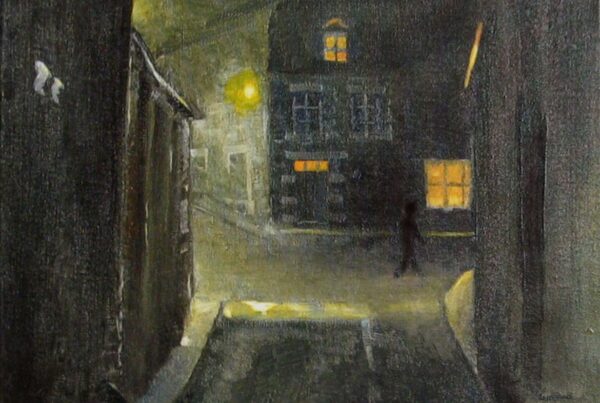
The New Year brings familiar smells in House 8, the air sweet with popping fireworks and facts lost in fictions of legends that drive good men mad. Ducking past mothers and rushing through embarrassed mutterings of well wishes from elderly in selfish intentions of red envelope discoveries. Starlit Eves spent feasting on dishes of House 8, where the mother always had more to give, ground pork dumplings dipped greedily in dark Zhenjiang vinegar, steamed whole fish signifying surplus in ironic foreshadowing, the sunny effervescence of tangerine peels gritty under fingernails. Until it all tasted bitter, and stocks ran low while the mother had less to give to her, less for her family, each one in House 8 falling under accusations of state antagonism and the hushed edge of fearing the Red Guards’ next move. She remembers grief, then, of those stories run ragged down throats, the mother of House 8 riding up and down the hotel elevator of the Wukang da lou across the street in desperate contemplation and an unbearable weight of planned obsolescence, debating death until the view from halfway down. 5, 6, 7, then 8 stories of French Renaissance architecture predating her in what once spoke histories of glory and the decorated flourishes of glamour rendered obsolete by its new name, The Diving Board, through the transparent gazes of goodbyes like hers. She had known the last of New Years’ fortune had faded in House 8 to a bitter tang when the kitchen was quiet but the silence was loud.
House 7 she frequently walked past on feet of another, her father’s authoritative patriarchy pushed for three hired hands, one of which carried her to school as she admired reflections of sky in her patent shoes, never clouded over.
In the dirt before House 6, spit sinks into the dry earth, dissolving clay within foam. pidou da hui (struggle sessions) force local residents to forsake their wealth, tithing tacit allegiance to authority for violent accusations of class enemies, or to the masses convinced of speaking the same bitterness, su ku.
Yet while they “spoke bitterness,” the accused ate it, chi ku, where escalating violence exploited childish ignorance, the children of House 5 manipulated in schools to expose their parents, mothers dead at a child’s careless tongue. Recalcitrant mothers and gregarious children, turned nothing but regretful, interminably slave to the taste of eating the bitterness self-served.
Through generations passing, such bitterness dissolved into determination and cravings for returns In aspirations of meritocracies and promises of reward for endurance, her descendants’ ku li, or “bitter labor,” phono-semantic matching in mockery of the American Dream, as they trade House 10 for ku li, kuli, coolie.
This article was first published as part of the Sundial Press printed edition in Winter 2026.
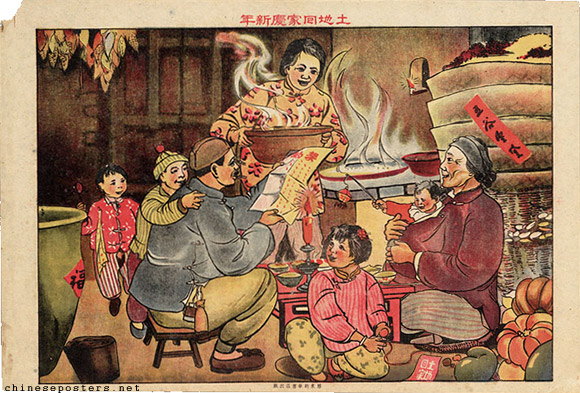
Photo Source: chineseposters.net
Other posts that may interest you:
- CrossCampus: Answer Key
- Pro-Natal Pro Equality: Demographic Disparities Addressed Through SDG 5
- Crypto-Champions: Trump’s Shadow Presence at the Warwick Economics Summit
- All in Good Time
Discover more from The Sundial Press
Subscribe to get the latest posts sent to your email.