

Many of us, especially here at Sciences Po, have been drawn to the Jane Doe case in the last few weeks. I, like many others, originally heard about her horrific experience from my peers showing their support on social media and denouncing the frequency of sexual assault at universities. I couldn’t help but investigate further, hoping to understand how unsafe universities truly are for women. I started by confirming the key details of the case: Jane Doe, an alum of Cornell, has sued the university, stating that they have failed to protect her and gravely mishandled their response when she was gang-raped by seven members of the Chi Phi fraternity house in 2024. In the lawsuit, Jane Doe is anonymous; however, Cornell student journalists have released the alleged perpetrators’ names. The lawsuit also concerns the punishment of the seven men, but Cornell, in a statement on October 13, cited student privacy rules and refused to provide details on how the men were individually punished, leaving a serious gap in public information about the case. The Jane Doe suit thus raises the question: what information is the public entitled to?
For starters, the public is legally entitled to access all lawsuits filed in New York State court. Thus, anyone can formally read Jane Doe’s account of the events on October 19, 2024, and their aftermath. According to her lawsuit, Jane Doe started off her night at her sorority house, where she claims she was served alcohol, even though the bouncer knew she was underage. Later that evening, she visited a man she considered a friend at Chi Phi’s fraternity house. At the fraternity house, she was pressured into trying ketamine by people she deemed her friends. The lawsuit then details a series of sexual assaults lasting nearly seven hours. In the middle of this abuse, one of the men messaged the Chi Phi Snapchat group inviting others to join for “free pussy.” Jane Doe reported her assault to the police on November 8, 2024. However, after reviewing her statement, the district attorney and campus police said they could not bring criminal charges, as what she had stated then did not constitute a crime. On September 28, 2026, the district attorney of Tompkins County stated that in the original statement it was unclear whether she had been forced into the sexual acts, which is why they are reopening the case. Meanwhile, in the recent lawsuit, she states that Cornell immediately placed all seven men on suspension after she went to campus police, and then they were “afforded the opportunity to mitigate their conduct by submitting essays to Cornell.” An email sent to the Cornell community the next day, signed by the president of Cornell and the chair of trustees, wrote that Cornell “cannot publicly provide an individual-by-individual account of its findings or disciplinary actions” due to federal privacy laws; however, the university admitted to issuing essays in addition to two of the accused perpetrators being expelled and two being suspended.
Although students at Cornell released the accused aggressors’ names, I would place greater importance on knowing who was responsible for which crimes and how they were punished. Future students and donors need to judge how Cornell handles campus safety and what responsibility the institution holds in this case. In addition, the public should know who Cornell found responsible at the end of its investigation in order to determine whether the police and district attorney failed to convict them, despite being aware of Doe’s statement. The Cornell Sun‘s editorial board did name the seven accused in an article on September 22, asserting that they would refuse to let these men be protected by concealment. I agree that future employers and people in these men’s lives should know whether and how they were involved in a case like this so they can be held responsible. However, releasing these names won’t make as much of a difference as it should, because Article 16 in Section 296 of New York Senate law states that an alleged perpetrator cannot legally be discriminated against in hiring if they were never convicted. In addition, because Cornell’s punishments varied by frat member, and the school won’t disclose what was assigned to whom, an employer or colleague won’t know how severe one individual’s role was in the events of that night.
Cornell claims they cannot release which individuals were held responsible for which actions because the administration believed it would conflict with federal student privacy law (FERPA). FERPA does state that, for an institution to release personally identifiable information to the public, it requires the student’s consent. However, Cornell does not mention that Title 34 Part 99 of FERPA states that “information” can be disclosed without the student’s consent if they are “an alleged perpetrator of a crime of violence.” This subpart also protects Jane Doe’s right to privacy as a victim. That is why on October 23, New York City State Court Judge Phaedra Perry-Bond ruled that Jane Doe may remain anonymous. FERPA thus directly contradicts Cornell’s claim that it must abide by privacy laws and shows that the administration is choosing to withhold information the public is legally entitled to.
In the state of New York, all criminal convictions for sexual offenses cannot be sealed from the public due to Title 160.59. Thus, another reason why I believe the public is entitled to know what each student was deemed guilty of is that New York law shows the importance of making sexual assault convictions public. Although the students did not have the chance to be criminally convicted in 2024, Cornell University did find them responsible after its own investigation and effectively convicted them institutionally. Beyond my opinion, FERPA outlines exactly what is permissible: Jane Doe’s privacy as a victim must remain confidential, while disclosing the culprits in this case is permitted. The question then remains: why is Cornell choosing not to disclose this information?
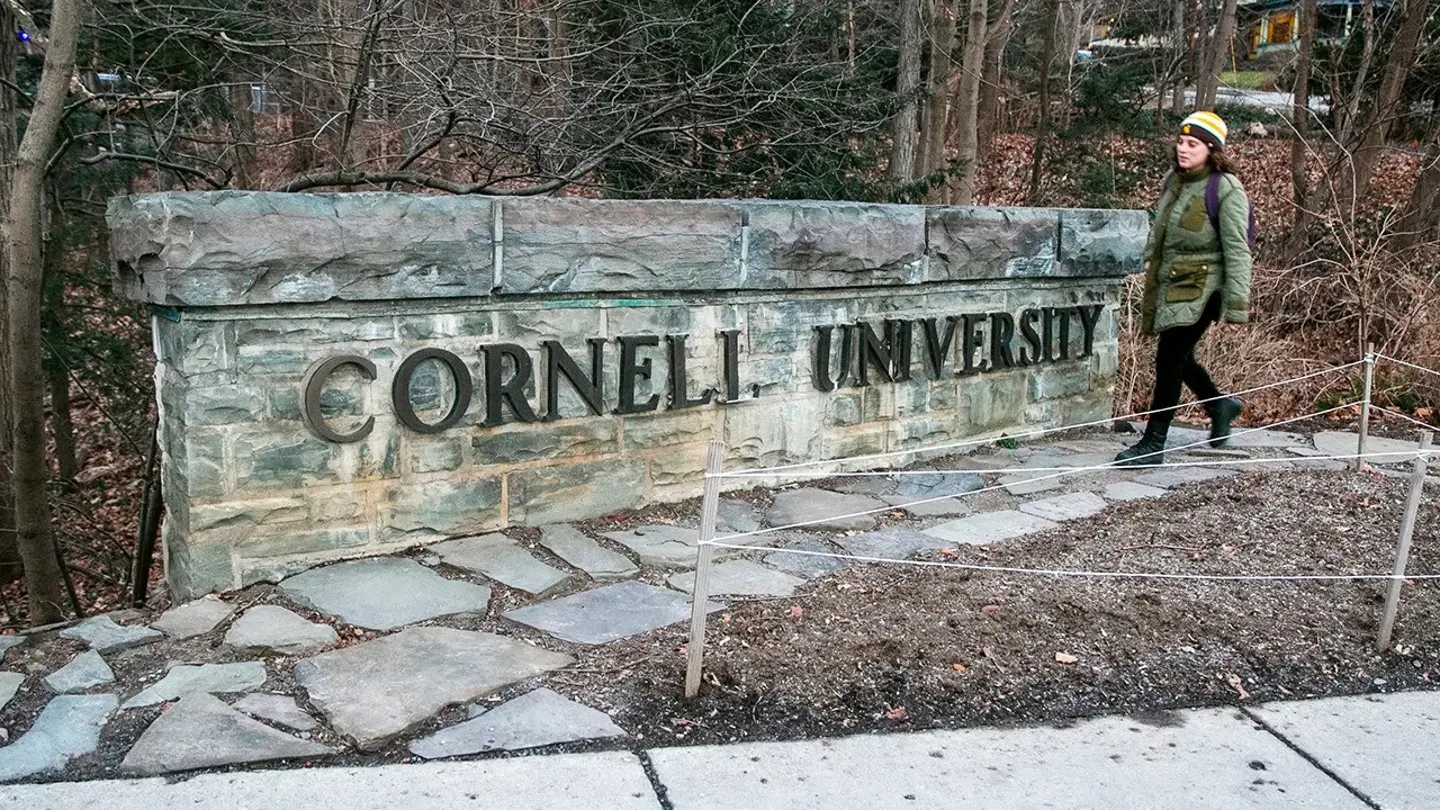
Photo Credits: Ted Shaffrey / AP
Other posts that may interest you:
Discover more from The Sundial Press
Subscribe to get the latest posts sent to your email.