
Early on November 19, student protesters attempted what would have been the seventh total or attempted blockade of Sciences Po’s Reims campus since early October. Demonstrators succeeded in moving at least some 8:00am classes online, but were prevented from reaching the campus’s back entrance on Rue Eugène Wiet by police officers who had preemptively taken up positions there. The morning, which saw entry into the campus conducted under police guard, seemed to confirm the administration’s increasingly close coordination with law enforcement in handling blockades.
First attempt on Rue Wiet & tension on Place Museux
Following the administration’s decision on November 16 to route students towards the back entrance on Rue Wiet in order to keep the campus open during blockade attempts, the street has become the center of protesters’ efforts to obstruct entry and halt in-person classes. On November 17, law enforcement dispersed demonstrators blocking the back entrance with physical force. Two days later, a similar story would play out.
The first protesters began arriving on Rue Wiet at 6:45am. They were met there by campus director Pierre Catalan, who had made his way over to the back entrance about 15 minutes earlier. Also in the vicinity, parked parallel to Rue Wiet on Rue Gambetta, was a National Police car which had itself been circling the campus for at least 30 minutes. Faced with low numbers—only about a dozen students were present by then—and law enforcement presence, the group of protesters opted to head to Place Museux to wait for more people and blockade the campus’s main entrance.
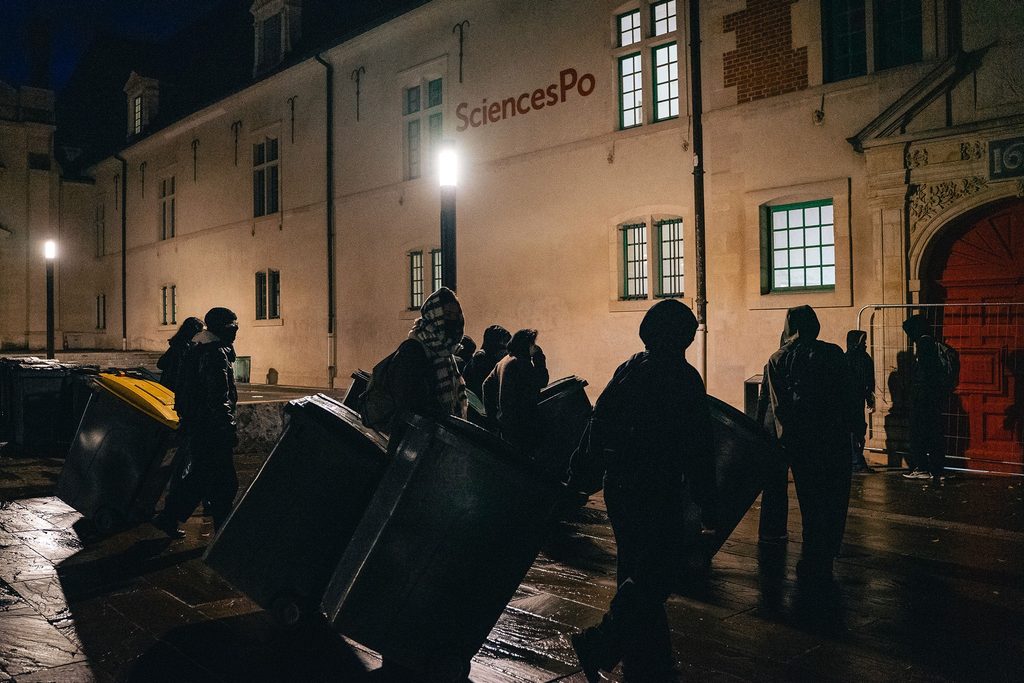
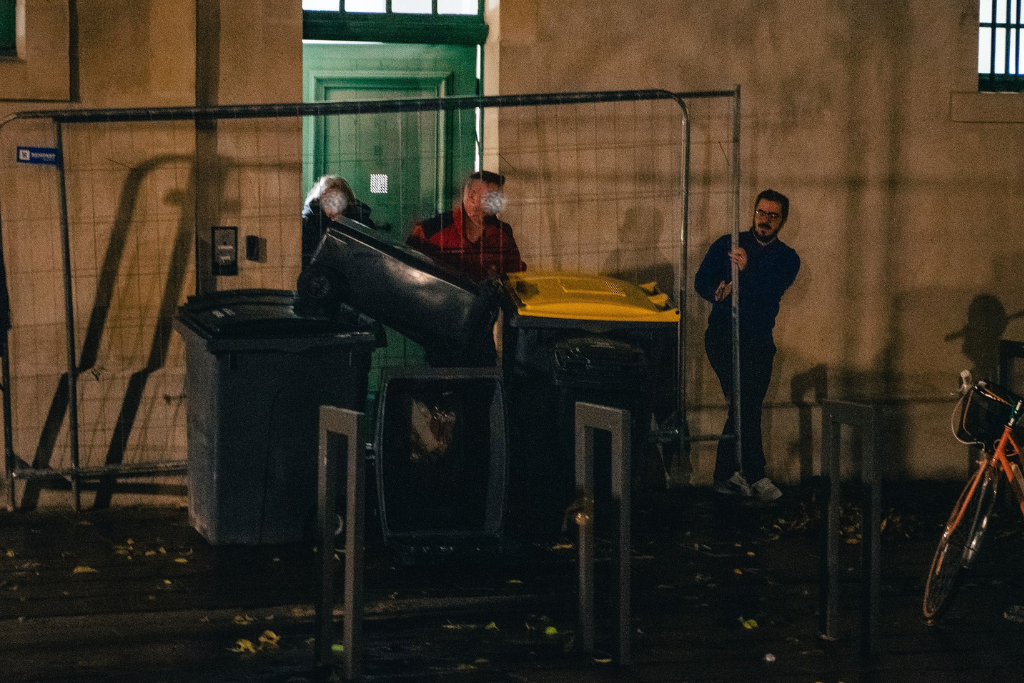
While obstructions were being constructed on the campus’s main entrance at about 7:00am, some students also placed a metal barricade against the smaller employee entry. This was met almost instantaneously by the appearance of Mr. Catalan, who exited through the door and pushed the barricade to the ground, before shouting at the protesters to “at least respect the cooking staff [who use the entrance in question].” After the altercation, demonstrators turned their focus back to the main entrance; Mr. Catalan, after returning inside the A building, wrote an email to all students announcing that 8:00am classes would take place online. The entrance on Rue Wiet was not blocked at this time, and Mr. Catalan would send a follow-up message half an hour later (at 7:36am) stating that the campus was open.
Second attempt on Rue Wiet & absurdity
In the 30 minutes between Mr. Catalan’s two emails, the group of protesters had been on Place Museux, discussing strategy and growing in size. Two police cars, meanwhile, had watched them for about 15 minutes from Rue Gambetta before leaving. Where these cars had gone, however, was then unknown to the protesters, who began moving back towards Rue Wiet at 7:38, carrying a few trash bins with them. Upon reaching the street a few minutes later, the students were greeted by six police officers standing guard in front of the campus entrance. Law enforcement had been positioned preemptively to stop any attempt at a blockade.
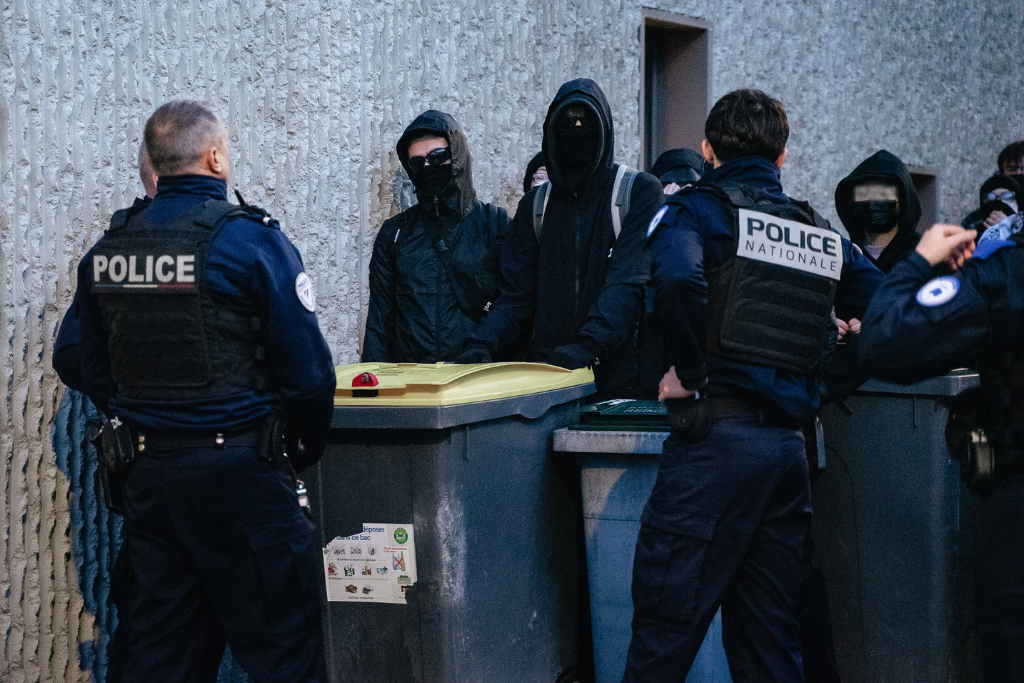
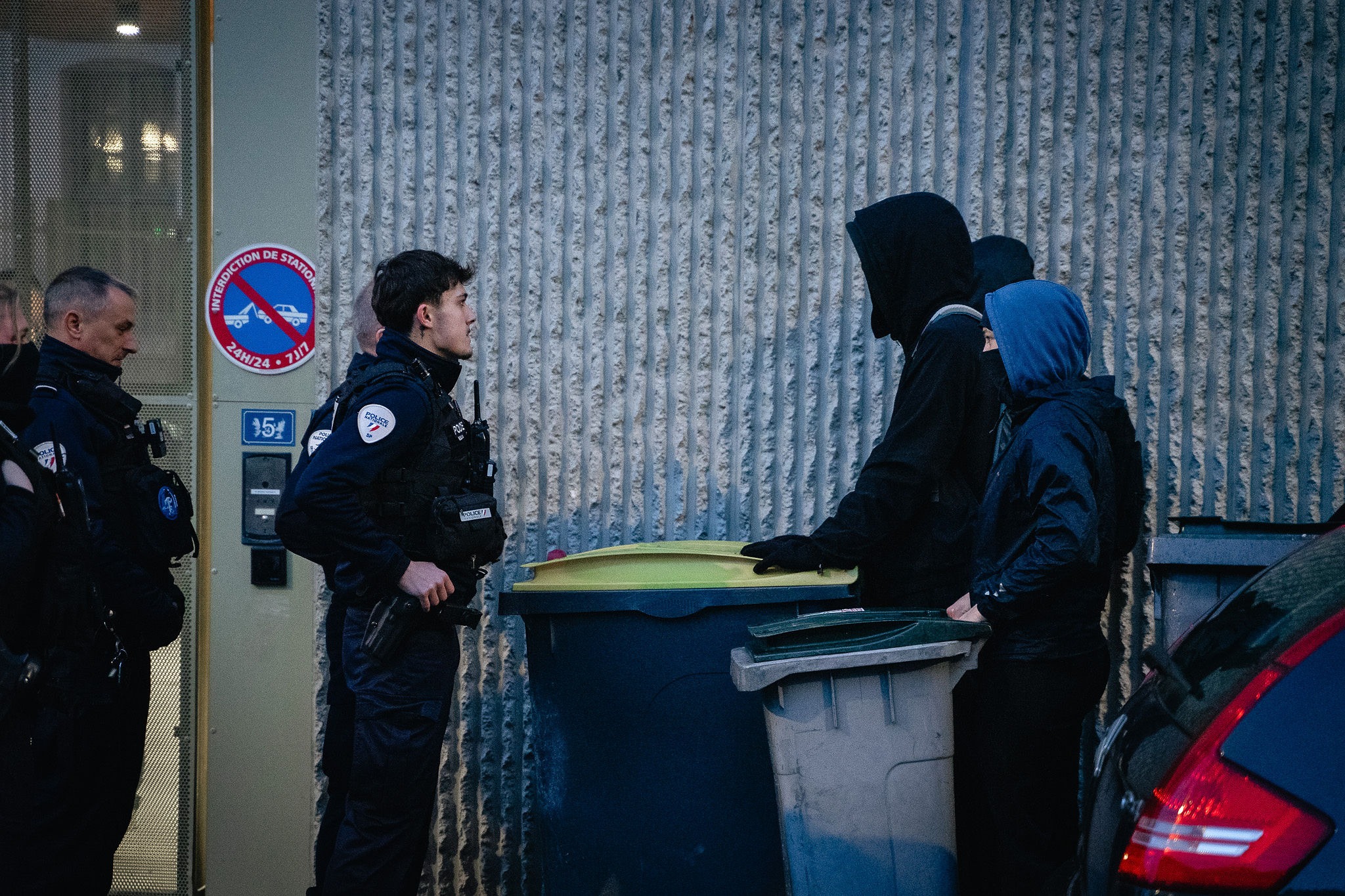
Police stopped the group of demonstrators on the Rue Wiet sidewalk as they approached the campus’s back entrance. Prevented from advancing, the protesters decided to sing a modified version of “J’ai deux passions,” a French protest chant now synonymous with the broader social movement rocking the country since mid-September. In it, the original’s “two passions” for “[a] marching band and revolution” were replaced by “two enemies”: campus director Pierre Catalan and Sciences Po director Luis Vassy. Mr. Catalan looked on from behind the iron bars of the back entrance as the singing went on.
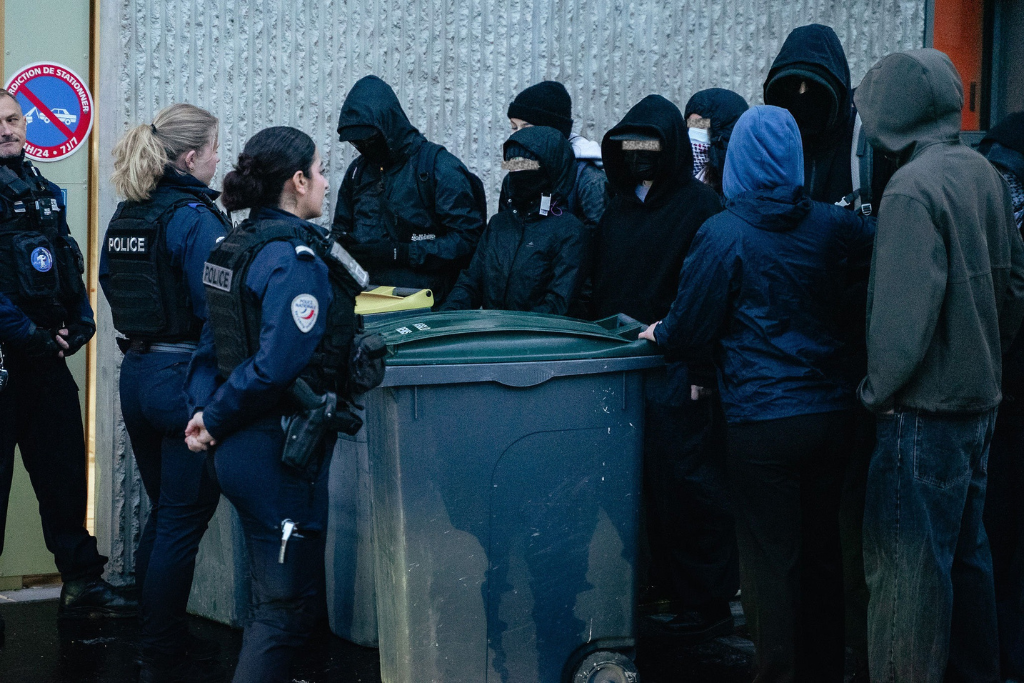
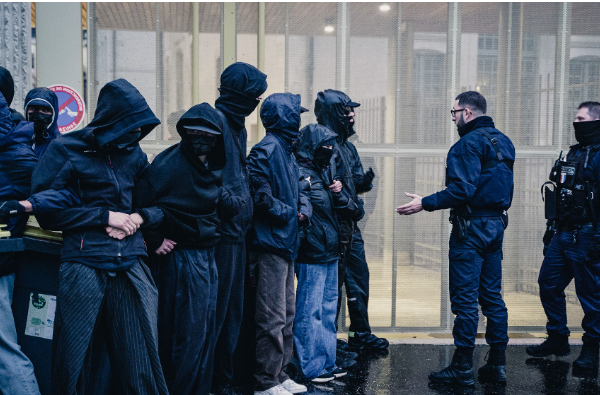
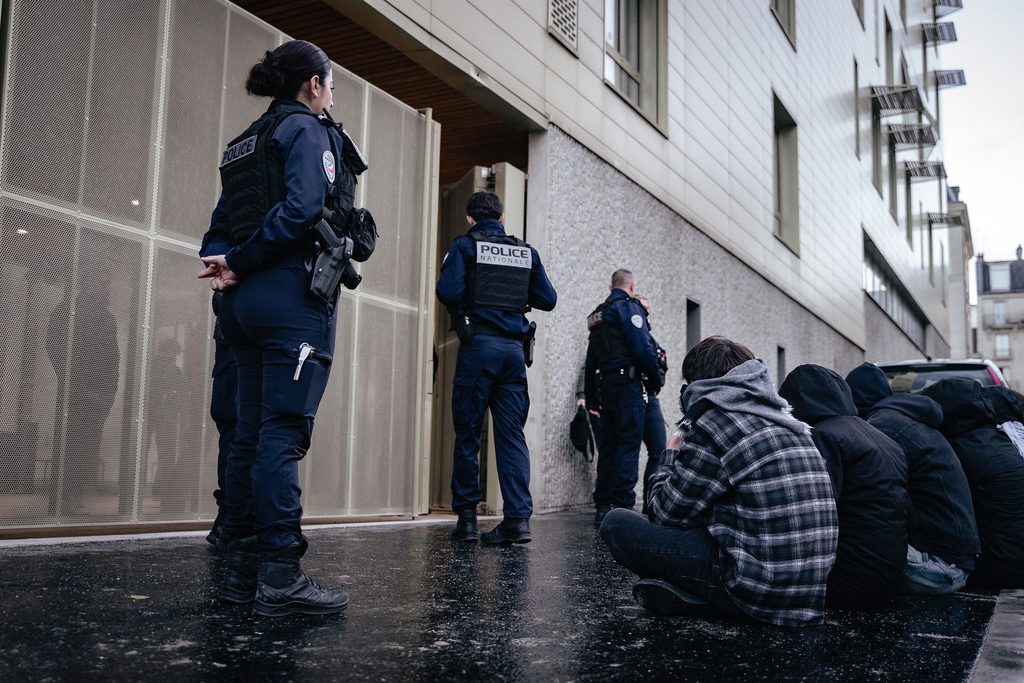
After finishing their musical performance, the protesters adopted the approach which would produce the day’s most striking images. They decided to encircle the police. While not possessing the numbers to fully surround the officers, the demonstrators succeeded in creating a scene which was difficult to describe as anything but absurd. At the door, six police officers forming a line, with Mr. Catalan joining them several times; in front of them, 19 student protesters locking arms and chanting; at the side, students entering the campus under police guard. This situation persisted for about 45 minutes, since, as one of the officers present remarked, the protesters were not doing anything and thus could not be ordered to disperse.
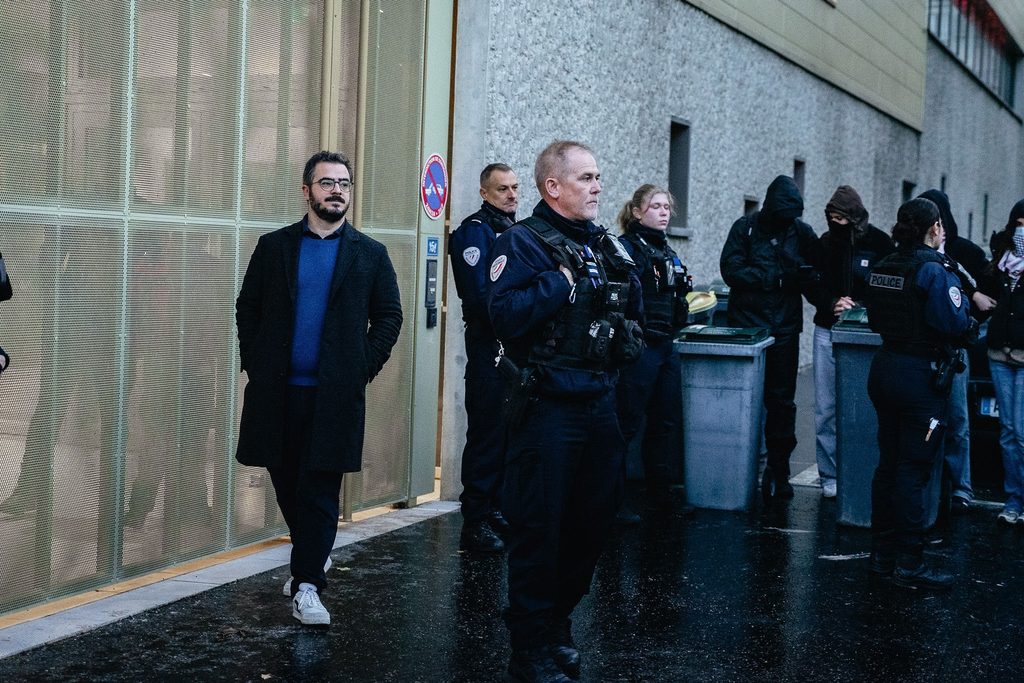
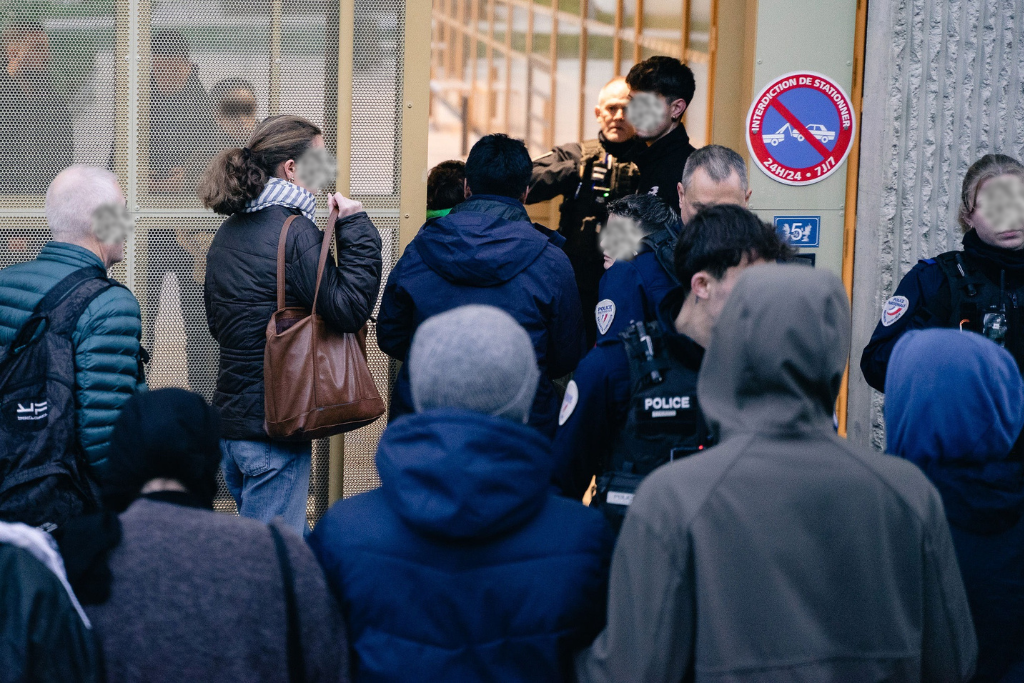
Over the course of the ‘reverse nasse,’ the amount of demonstrators steadily decreased. By 8:30am the human chain had sat down and by 8:42am, there were 10 of them left. Perhaps expectedly then, the remaining participants decided to leave for Place Museux a couple of minutes afterwards. Though they had been warded off by law enforcement, their spirits remained high. Upon returning to the main entrance, they danced to Renaud’s politically charged song Hexagone before continuing the now-symbolic Museux blockade.
A potent strategy, for now?
Mr. Catalan’s law enforcement-centered strategy, while controversial, has now successfully prevented or ended all three blockade attempts on the week of November 16th. Protesters have mostly been confined to symbolic demonstrations on Place Museux, a fact which doesn’t seem to be bothering the campus director. On the other hand, general student discontent with the administration, especially in the wake of the tension-filled general assembly on November 18, seems to be at its highest since the beginning of the semester. It seems that the defining question of the coming weeks will be whether this increasing anger, driven by international and first year students, joins forces with the French and second year dominated blockade movement.
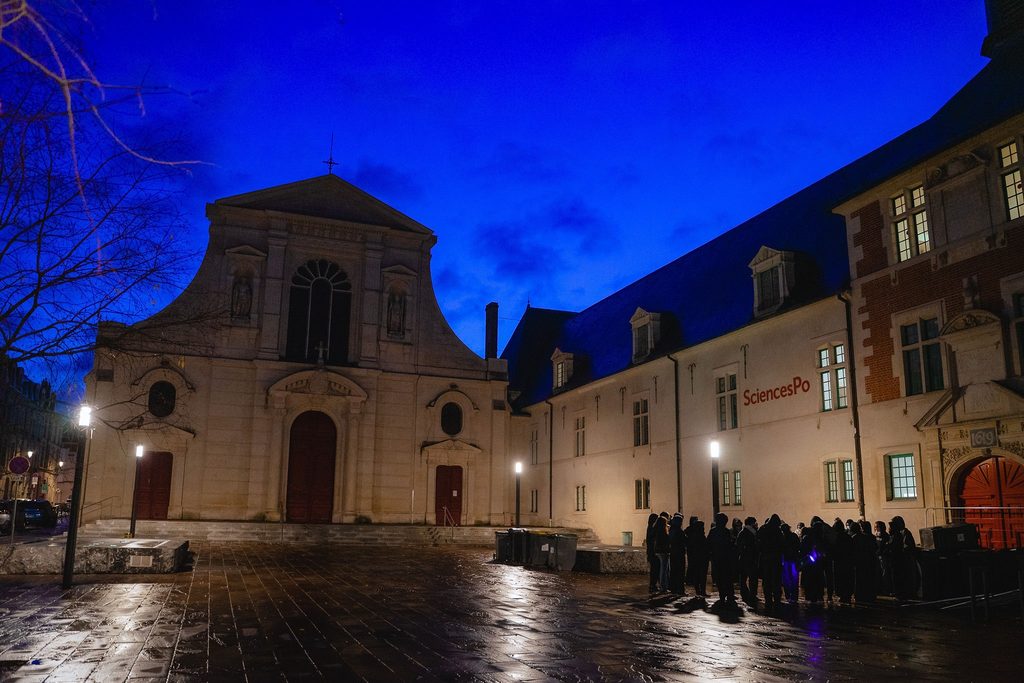
Place Museux in the early morning, as the blockaders stand in a circle to discuss further action. Jurgis Dapkevičius/Sundial Press 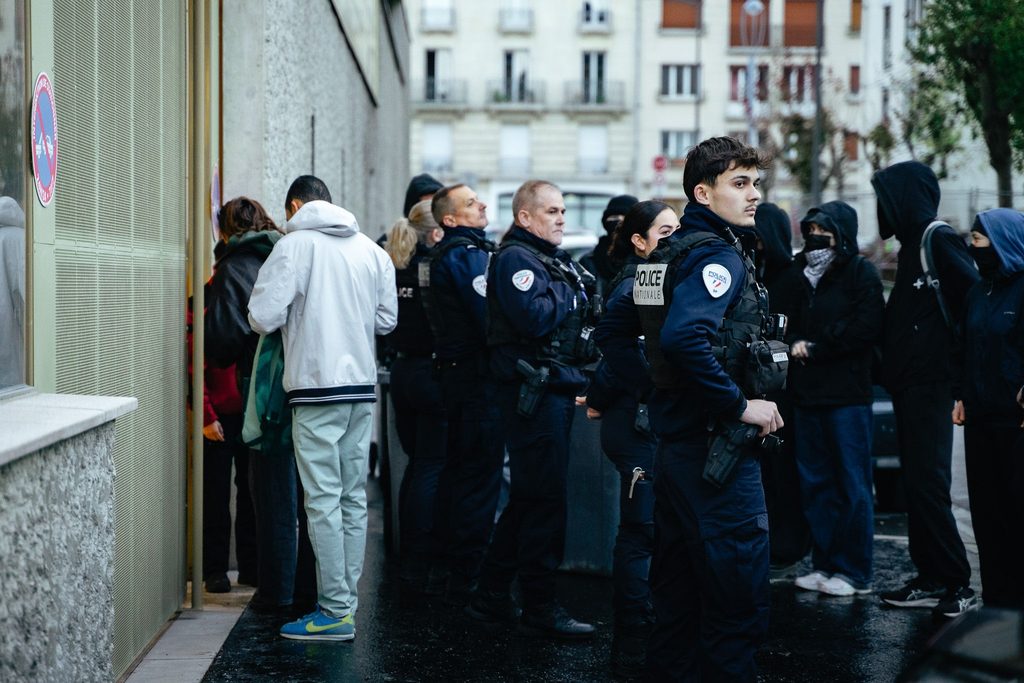
Students enter the campus under police stand guard. Jurgis Dapkevičius/Sundial Press 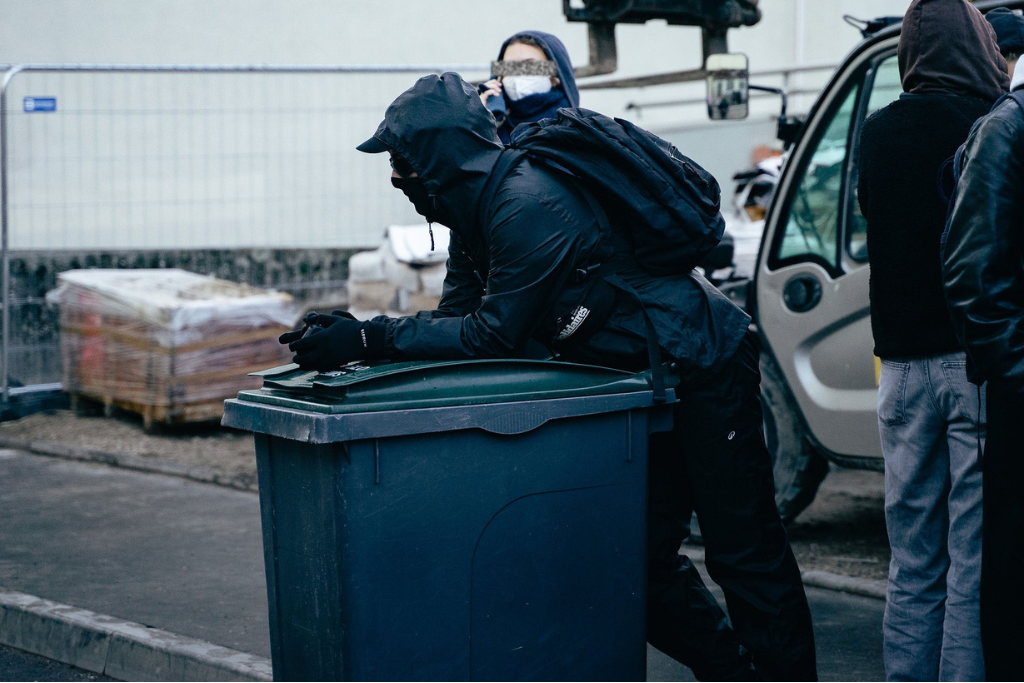
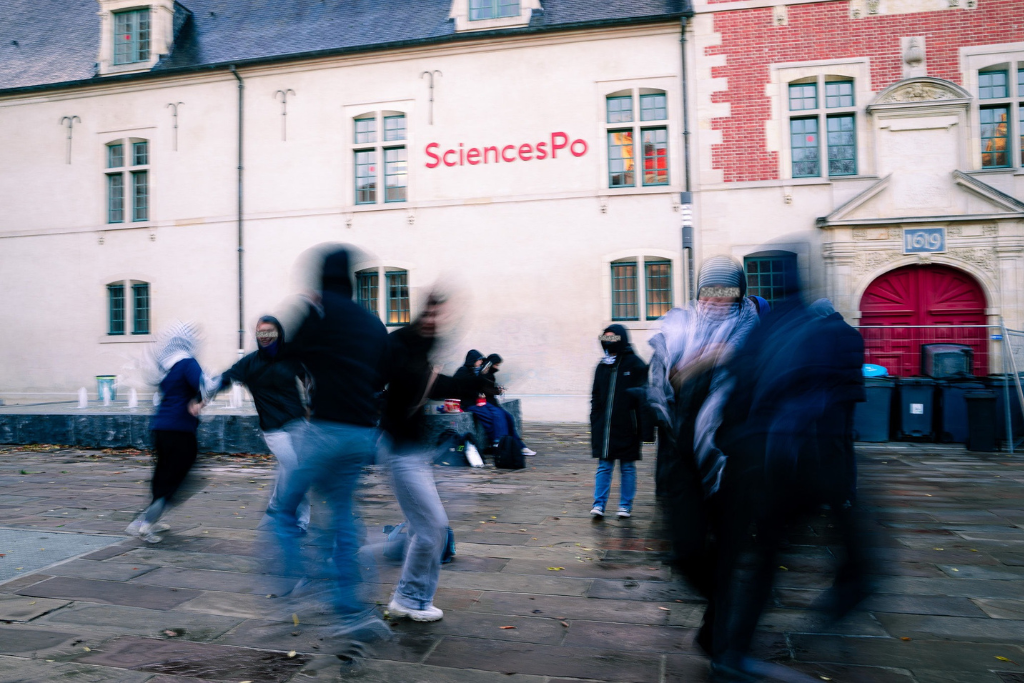
Student protesters dance on Place Museux. Jurgis Dapkevičius/Sundial Press 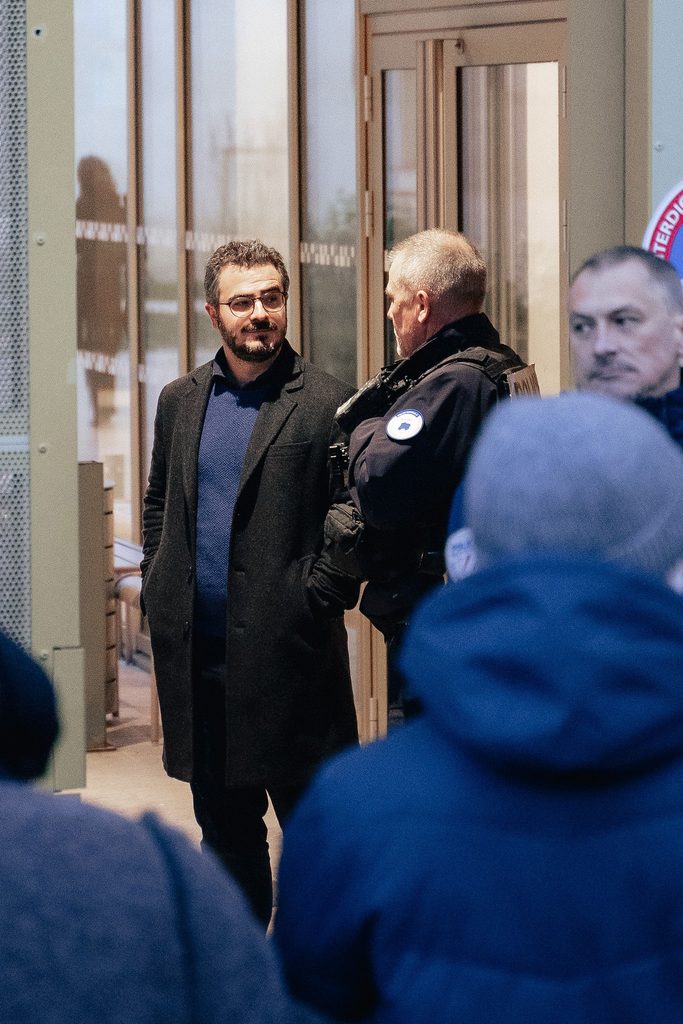
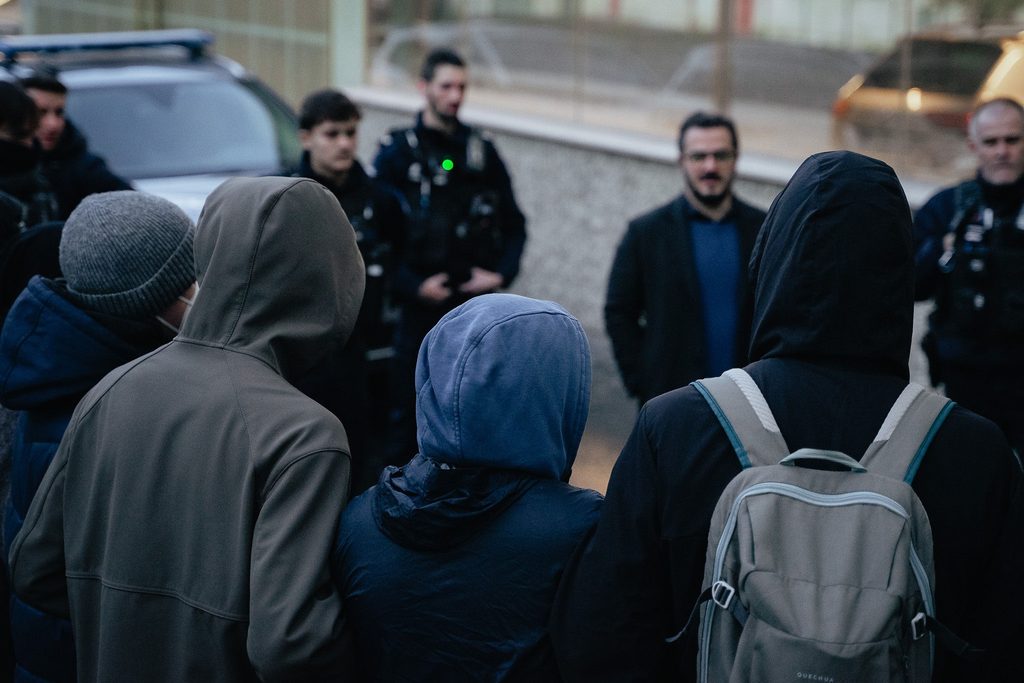
Student protesters face off against police officers, campus director Pierre Catalan. Jurgis Dapkevičius/Sundial Press 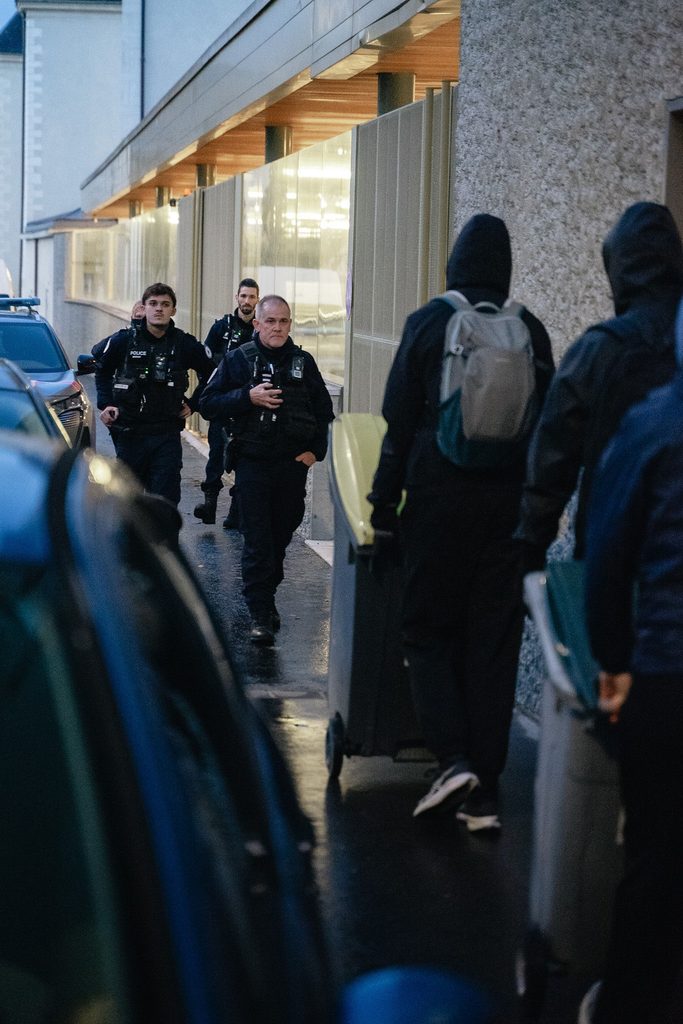
Student protesters arrive at the campus’s back entrance and are met by police. Jurgis Dapkevičius/Sundial Press
Cover Photo Credit: Jurgis Dapkevičius
Other posts that may interest you:
- General Assembly between Administration and Students Fails to Lower Tensions Between the Two Sides
- Police Intervention Ends Blockade of Sciences Po’s Reims Campus
- Postponement of 1A Exam Leads to Day of Chaos on Campus
- Reims Campus Blockaded Amid Nationwide Student Mobilization
- Sciences Po Votes: What does each list stand for in the council elections?
Discover more from The Sundial Press
Subscribe to get the latest posts sent to your email.